First Nest   CHICK!!!!!
 
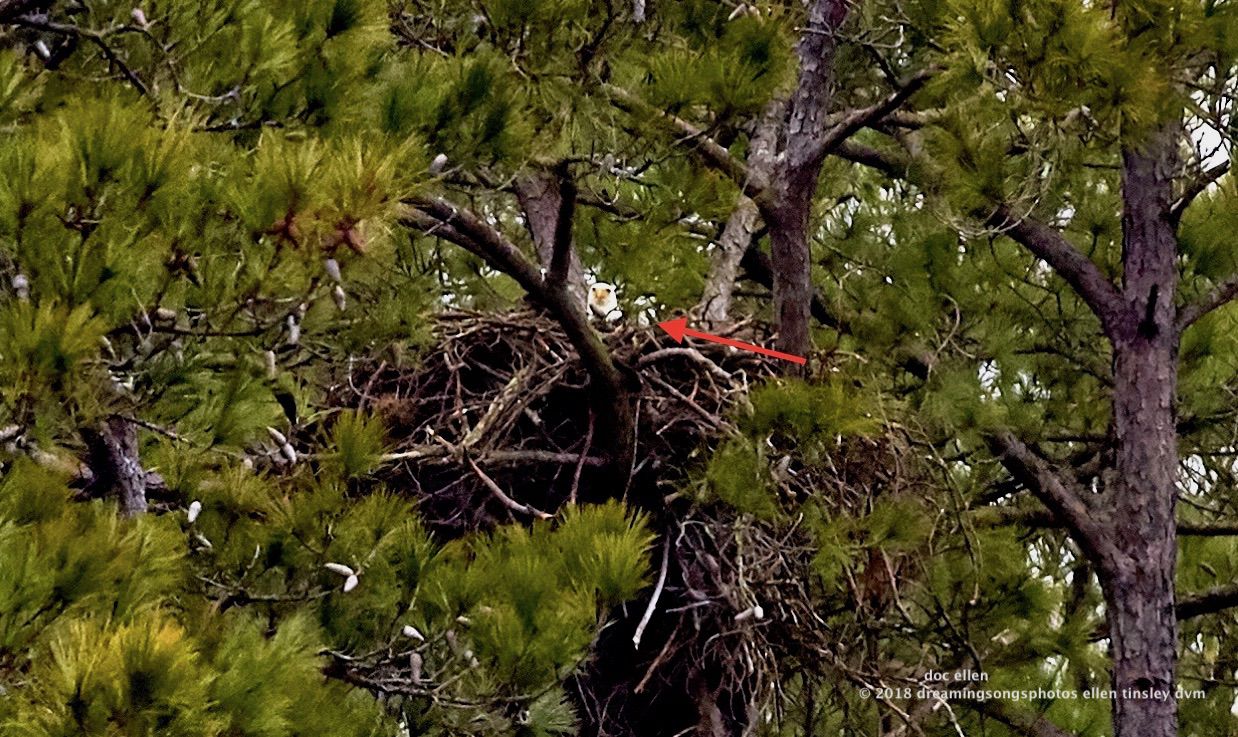
first photo: see if you can find the chick: look for a white fuzz ball with 2 black eyes …
and if you have trouble, go to second photo
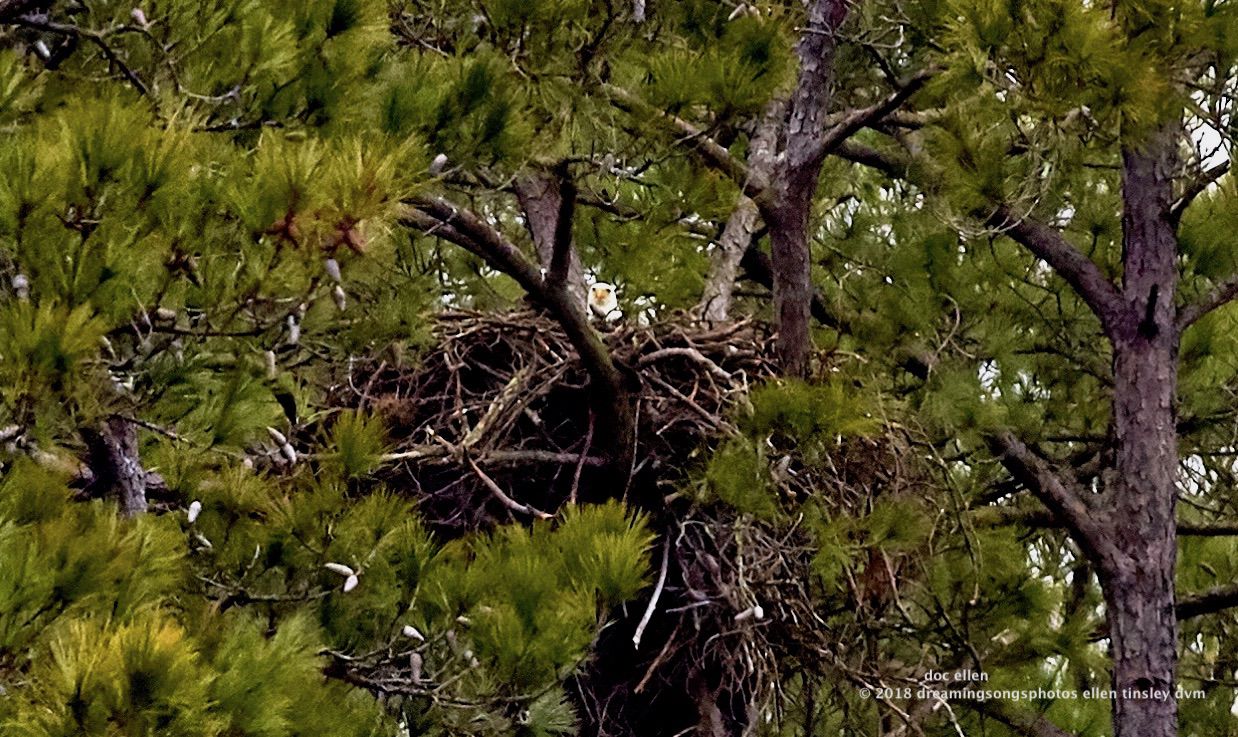
 
Chicks at this age are white going to grey, have bright black eyes, and bobble because they have trouble holding their heads up.
It didn’t help me that the wind was blowing at 14 mph and the sky was totally overcast,
it was drizzling rain and all was dull grey so I hope the photos are ok.
 
 
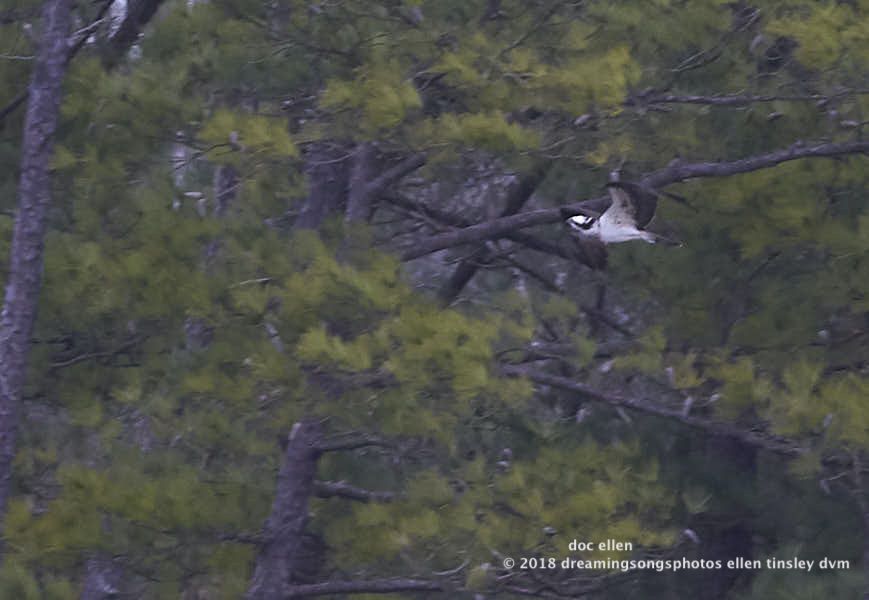
The osprey has returned!! and at least 3 weeks early.  I usually see them start to arrive about March 3.
While watching the eagle chick, I heard the osprey before I saw him.
I thought I was hearing things in anticipation of warmer weather, and there came the osprey around the shoreline.


Raptors all over the Lake!
 
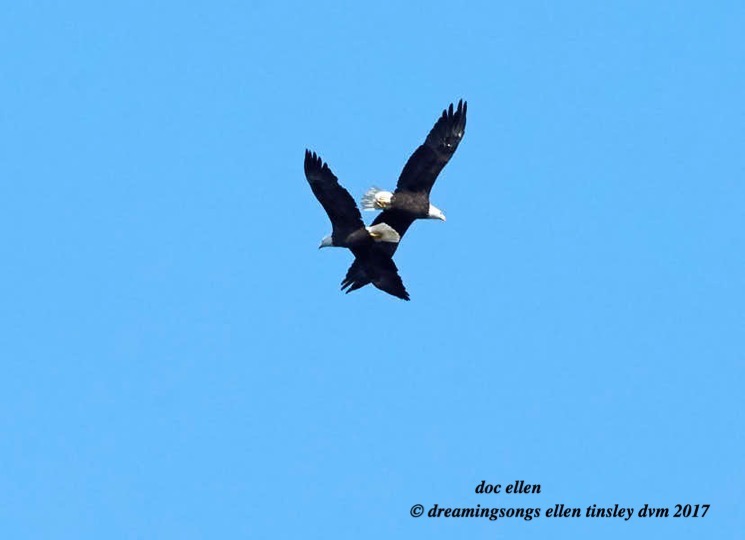
This pair of adult eagles spent several minutes circling each other before straightening out and together heading west.
 
 
The fledgling osprey on the left has a fish.  The fledgling bald eagle on the right wants it!  The osprey held onto his meal.
 
 
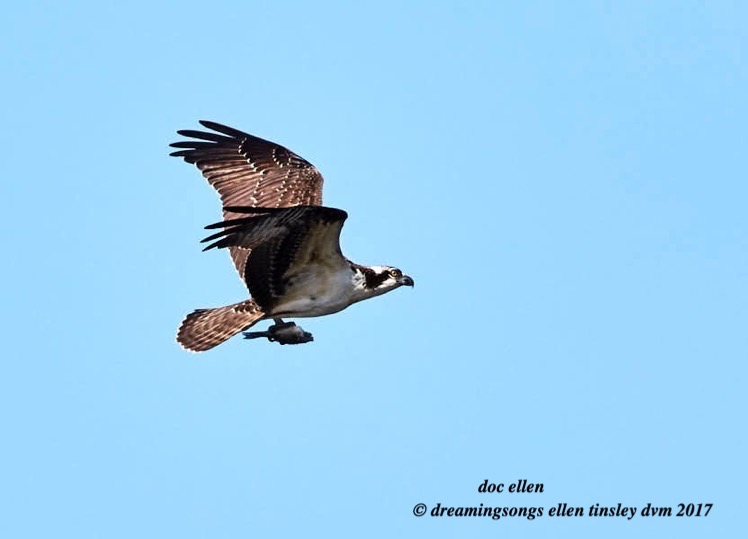
A female fledgling very proud of her fish.  She caught it, went to a perch and removed its head before flying off to find a safer place to eat.
 
 
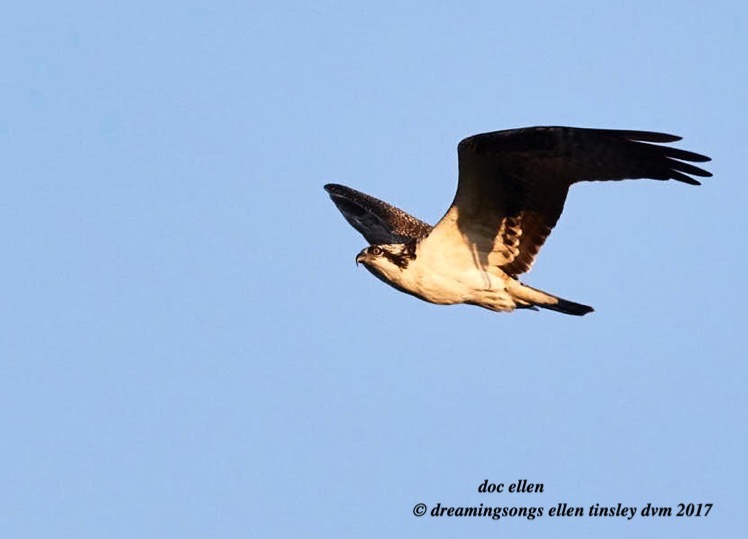
Some time later I realized I was looking at a now well-fed female juvenile osprey!
 

In between watching eclipses and aerobatic bald eagles, I have kept my eye on other interesting critters …
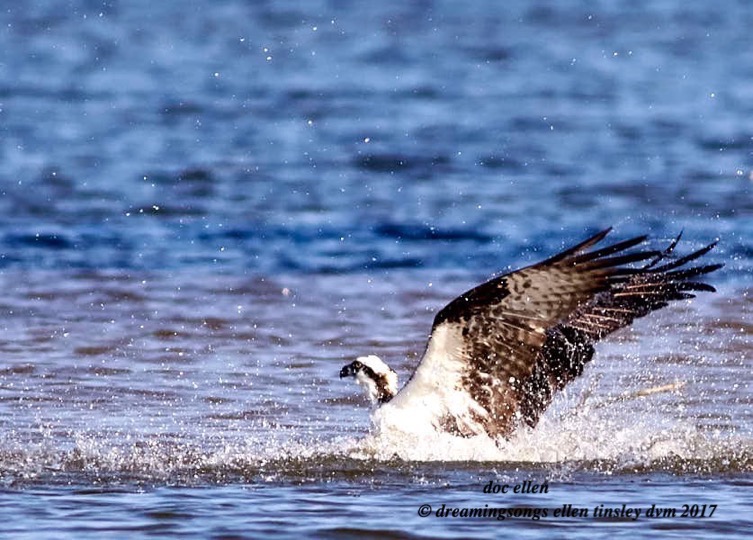
This is father osprey plowing into the lake for a fish.


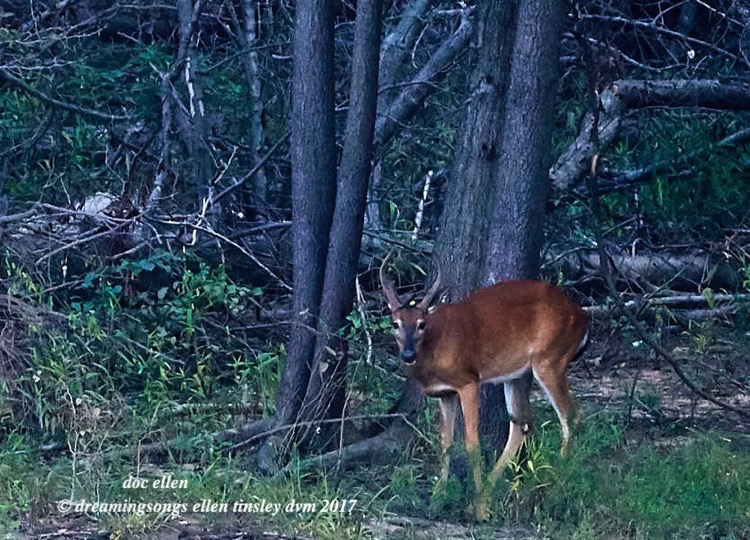
A white-tailed buck very calmly glanced my way and then went back to browsing.


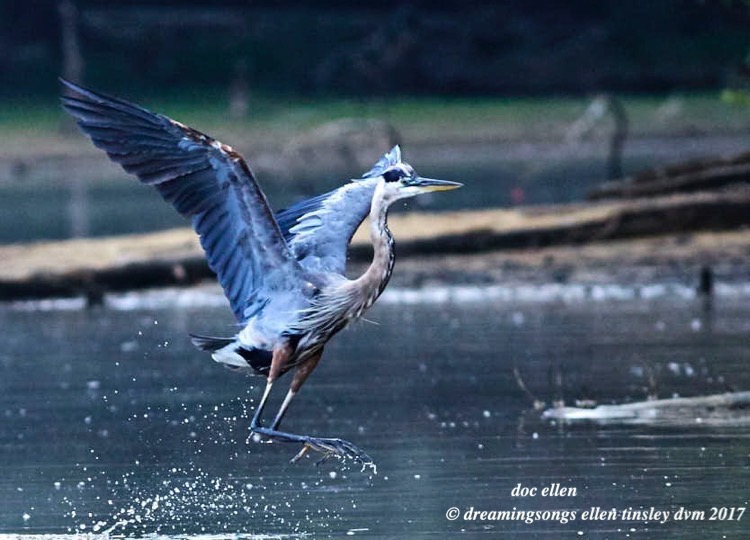
Something must have tickled this great blue heron’s toes – he sure made a spectacular leap and didn’t take flight!

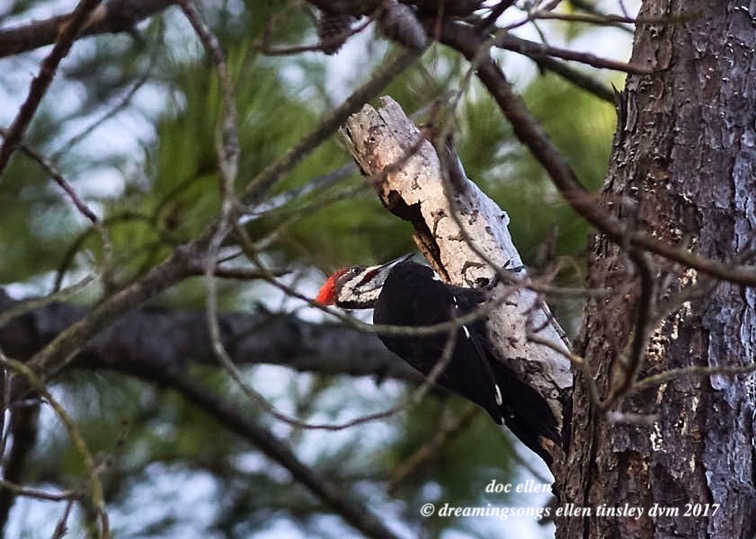
It was great fun watching the pileated woodpecker stop his hammering just long enough for me to get his portrait.


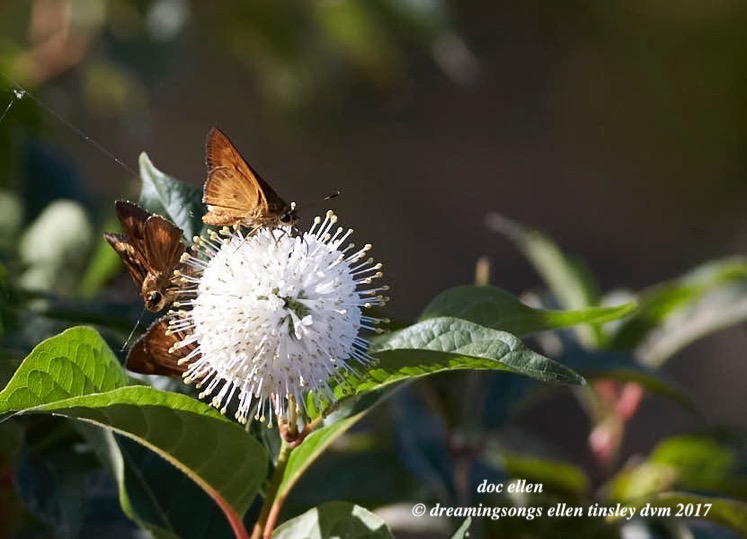
The three brassy little skipper butterflies were sharing a button bush blossom.

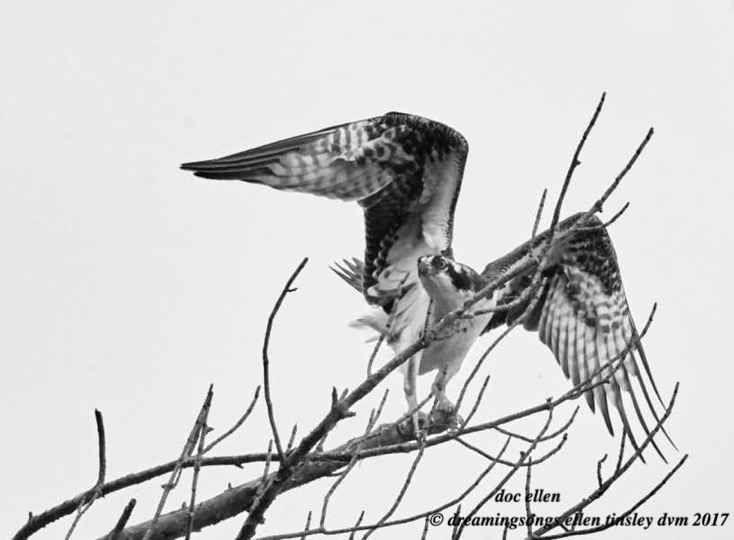
The osprey fledgling wandered into the wrong territory.
The mother osprey of the nest he tried to get to took exception to his visit.
Firmly, but without any damage to the youngster,
the adult osprey escorted the juvenile away from her nest.
Notes:  the juvenile is in the lead;
 he is much smaller, because he is a male – not because he is younger
when you can see their backs, the youngster has a white line that bisects his wings.
I call these white spots “rivets”.  They are camouflage spots at the end of his feathers.