Jordan Lake. “Ah ha! That catfish is mine, all mine”, said the 4-year-old bald eagle. Carefully she surveyed the area and then quickly launched, carrying her prize with her.
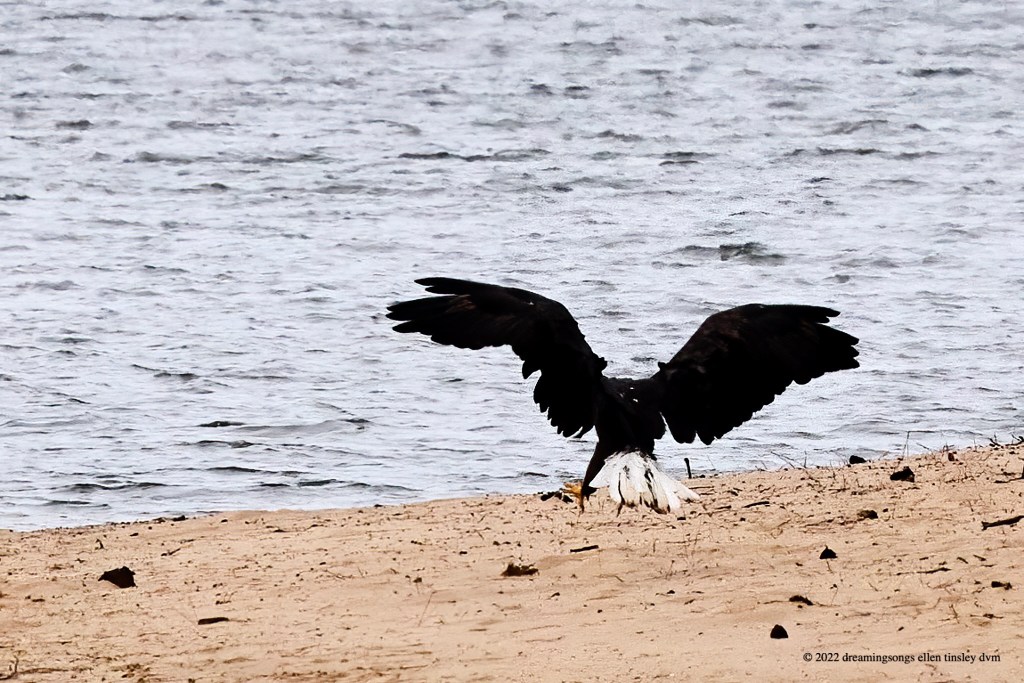

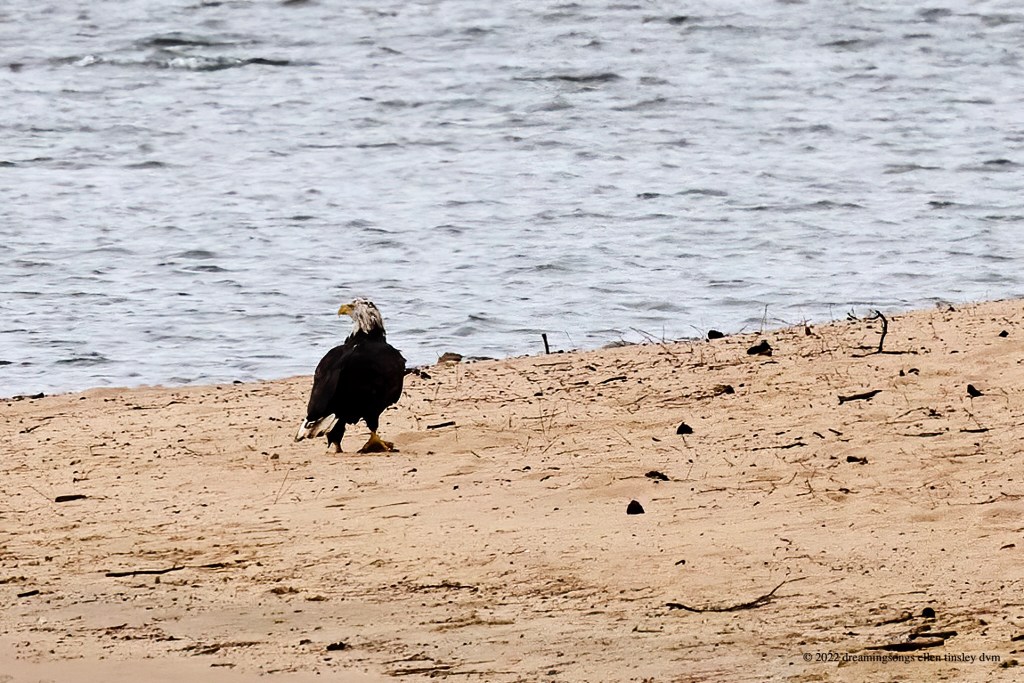
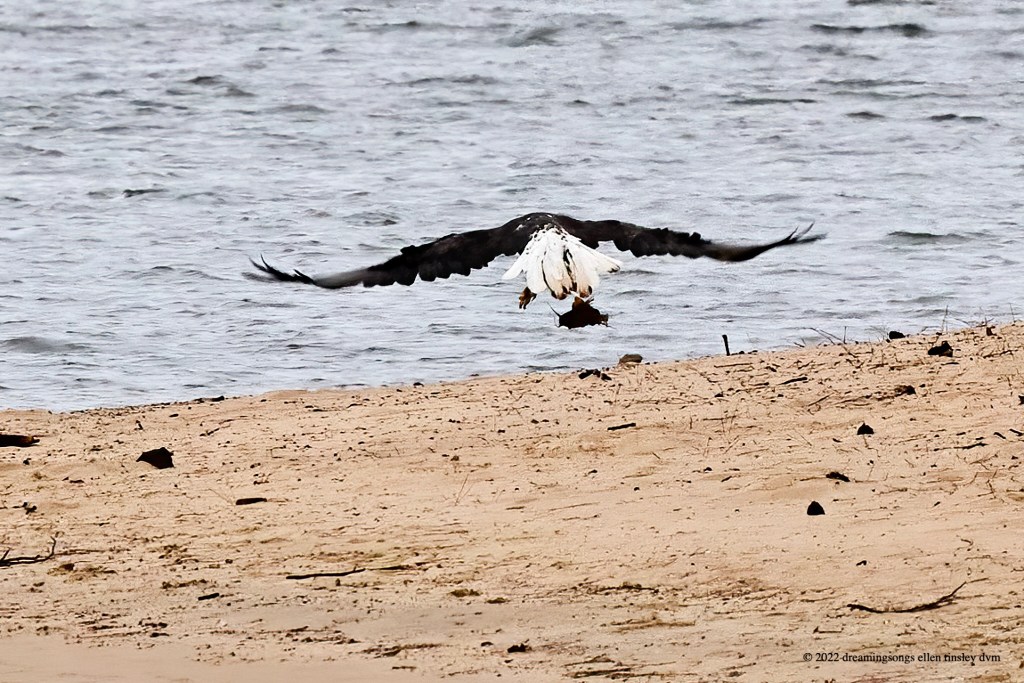
Jordan Lake. “Ah ha! That catfish is mine, all mine”, said the 4-year-old bald eagle. Carefully she surveyed the area and then quickly launched, carrying her prize with her.
Jordan Lake. After the bald eagle quarterly count this morning, a pair of bald eagles came by. That is mom eagle that you first see on the left. She takes a little dip and then a stroll. Dad bald eagle shows up and proceeds to have a snack of fish. This is my first real attempt at using the new camera for video … I can foresee lots of needed practice … but the still photography remains my priority.
Jordan Lake. H&N nest. It was a very cold, windy, gusty, grey morning. That did not stop the bald eagle chicks in the nest from bouncing. Dad Hershey watched one of them get quite into the act of making big wings. Then he decided enough was enough and Hershey bailed out. #BEverettJordanLake #BaldEagle #HersheyBaldEagle #hawriver #jordanlakestatepark
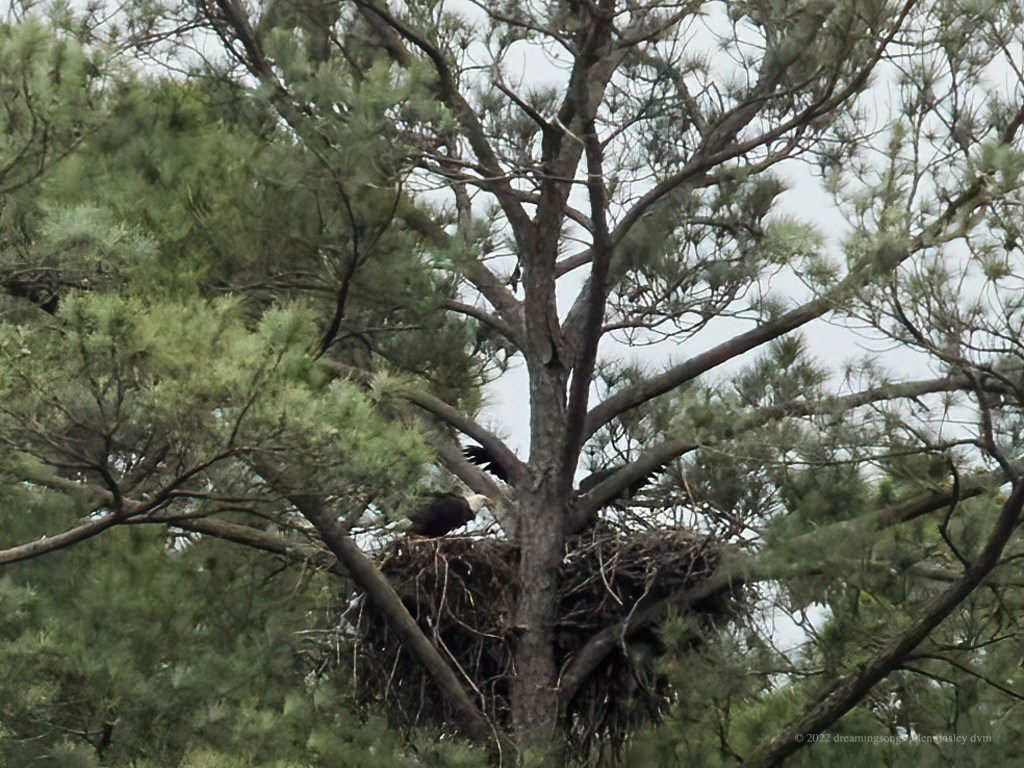

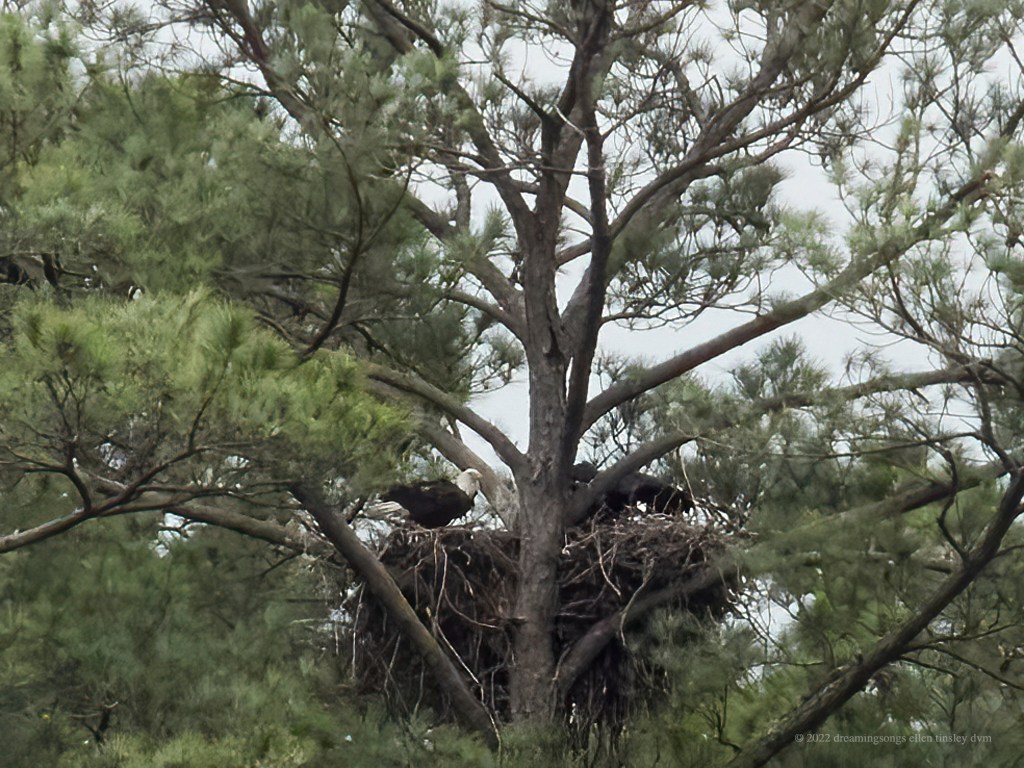
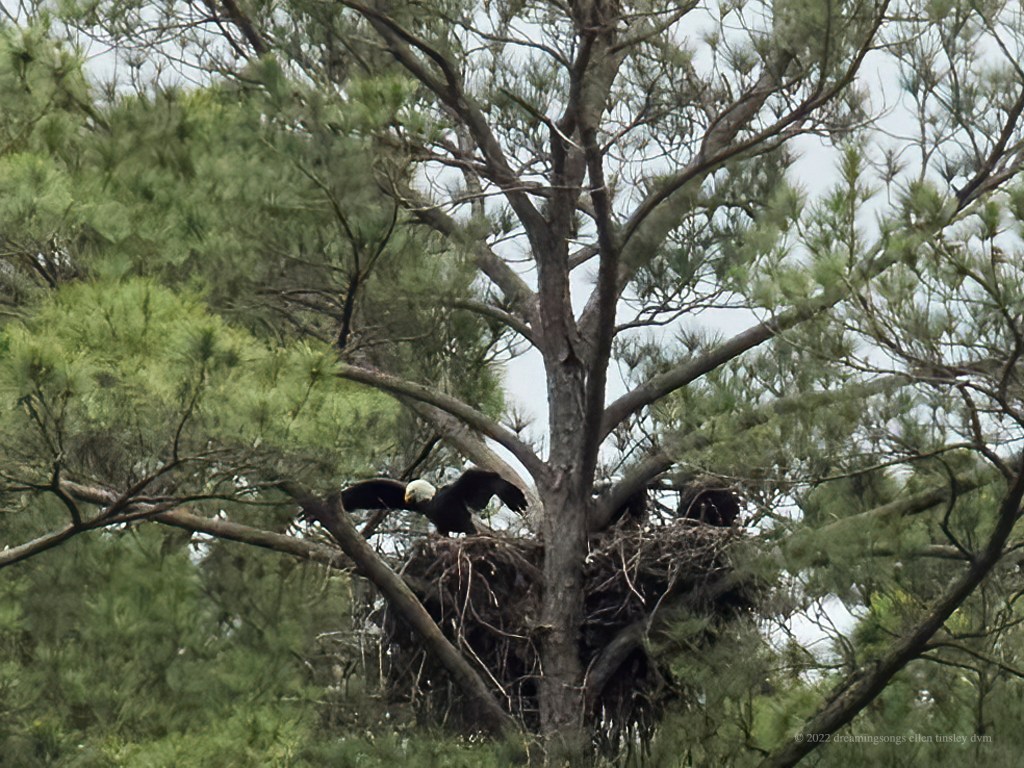
I would advise anyone that finds an eagle on the ground incapacitated or dead, not to touch it and to immediately call the NC Wildlife Resource Commission at 1 (800) 662-7137. Anyone touching the sick or dead eagle can spread the virus to their hands, clothes, etc. I am not as worried about a human getting the avian flu (so far it has not transmitted from bird to human) but any contamination you might get on yourself – hands, clothes, shoes, rubber gloves – can too easily transfer from you to say your bird feeders, etc. at home. Best to let the personnel with the proper protection and protocol pick up the bird.
Please share this information!
https://wr.al/1Mvek
Bald Eagles are at risk due to Avian Flu. The avian influenza has been detected in NC commercial poultry flocks - likely brought into the area by wild birds. I have not yet observed or been notified of any cases of Avian Flu here at Jordan Lake.
I would advise anyone that finds an eagle on the ground incapacitated or dead, not to touch it and to immediately call the NC Wildlife Resource Commission at 1 (800) 662-7137. Anyone touching the sick eagle can spread the virus to their hands, clothes, etc. I am not as worried about a human getting the avian flu (so far it has not transmitted from bird to human) but any contamination you might get on yourself - hands, clothes, shoes, rubber gloves - can too easily transfer from you to say your bird feeders, etc. at home. Best to let the personnel with the proper protection and protocol pick up the bird.
Please share this information!
Jordan Lake: This morning the Natural Minute has a double in it – two juvenile bald eagles stopped by. They suddenly appeared out of the fog and I certainly enjoyed them. Take care, stay well. Be safe.
 doc ellen's journey