Jordan Lake Dam Neighborhood and How to Tell it is Cold without using a Thermometer!
 
Anytime a bird, like this eastern bluebird, is as round as it is tall, it is cold.
Fluffing one’s feathers traps air and warms the bird.
Having found a patch of sunlight and using the trunk of the pine tree as a block to the wind, this tufted titmouse is warm.
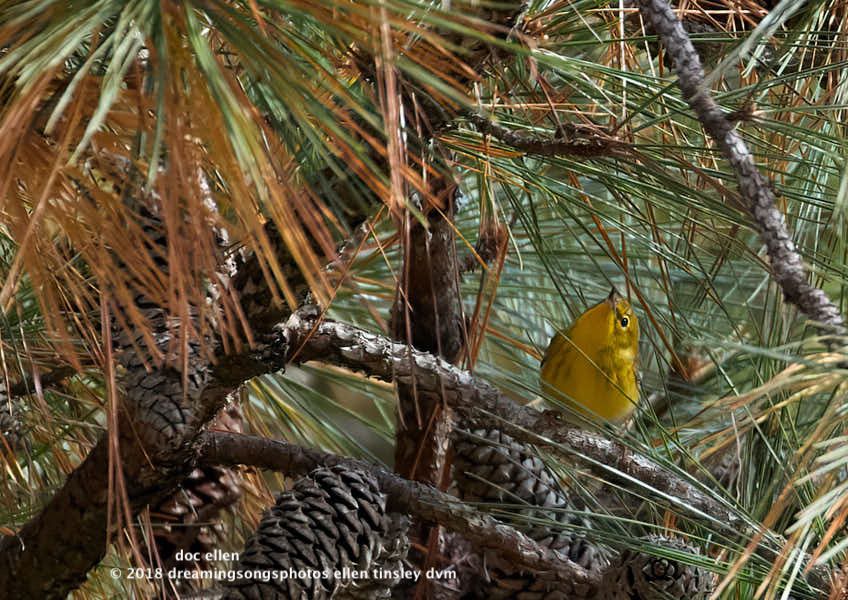
A well-rounded and therefore warmer, pine warbler is looking for another tasty pine seed for its breakfast.
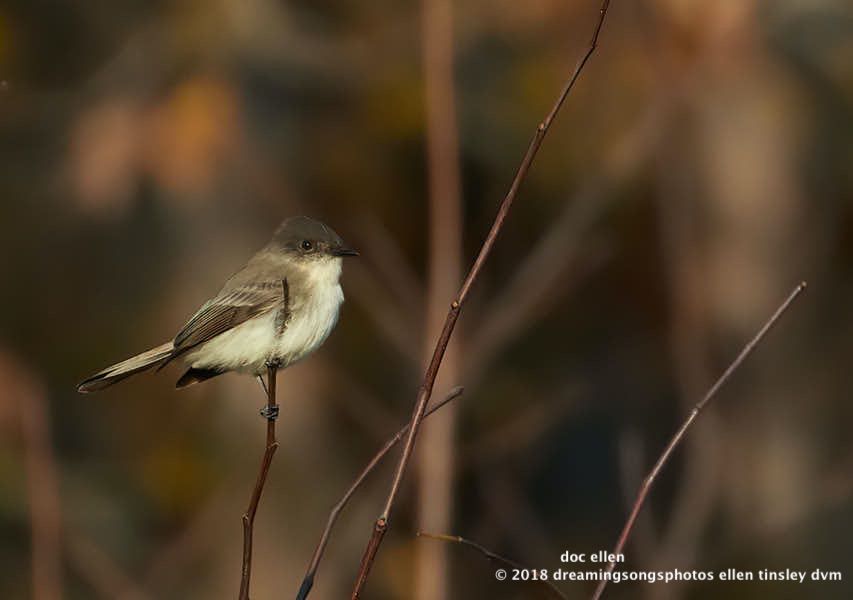
The eastern phoebe is a flycatcher,
but in the cold weather will feed on small berries and any insect or spider lured out in the open by a patch of warm sunshine.
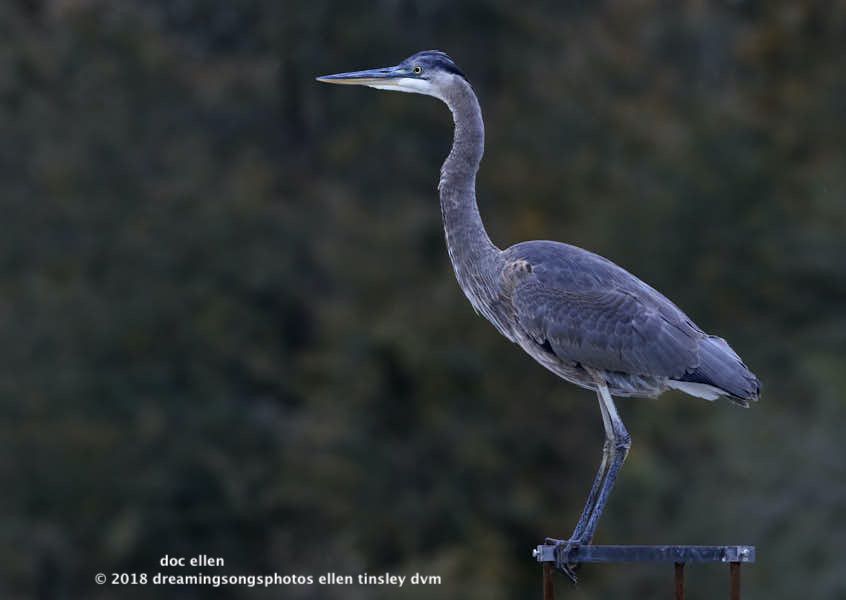
This great blue heron, while stalking a rival, has done just what the smaller birds do, and become well-rounded and fluffed against the cold.

This morning at the dam it was officially COLD!
 
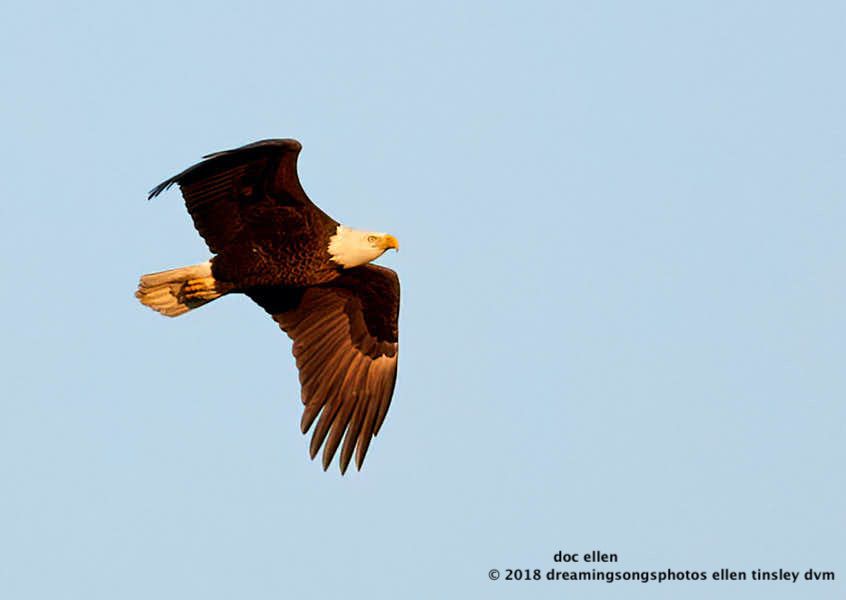
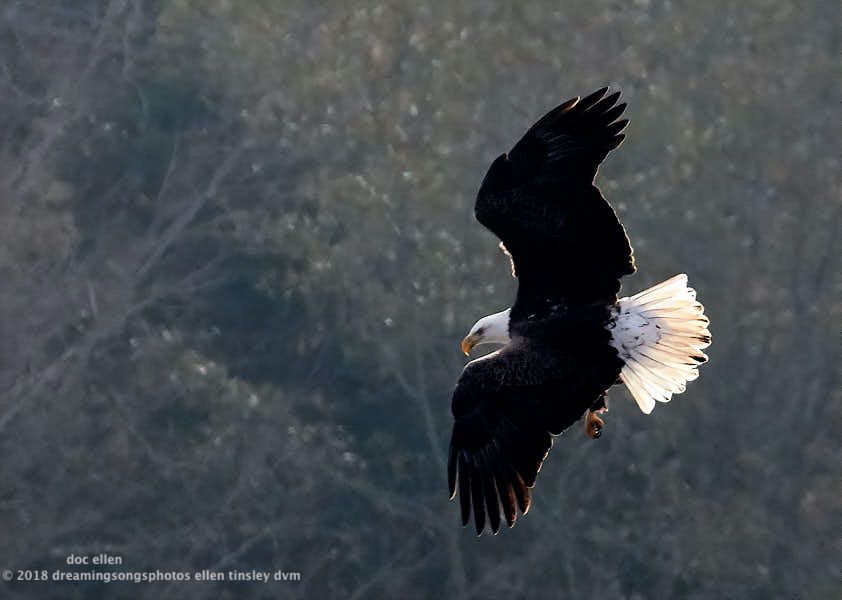
Bald eagles love bright, cold, brisk, and windy weather.
 
The sunrise brought the first eagle of the day.
 
Not long after the first adult, another adult came by, ignored me and looked back and to the south.
I grabbed a moment, quit shooting and looked too, but could not see what the eagle was watching.
 
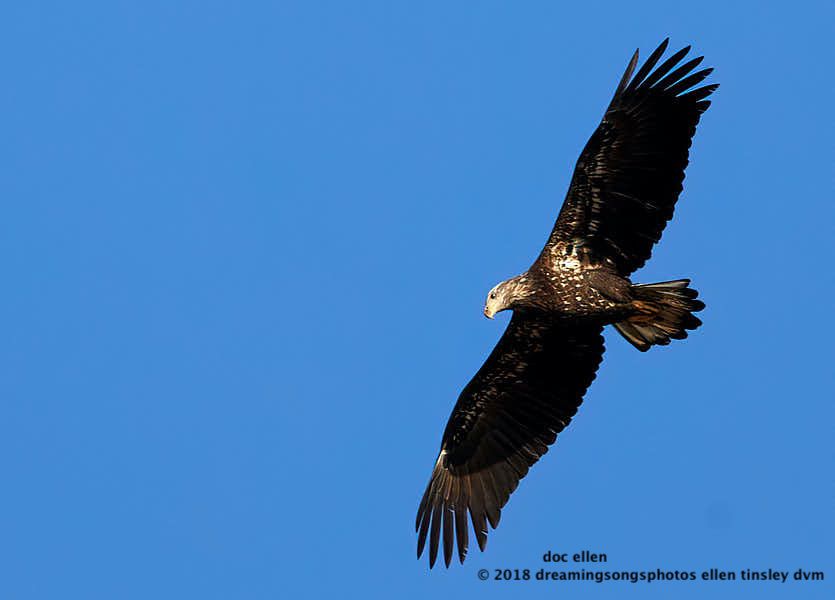
Several juveniles came through during the morning.
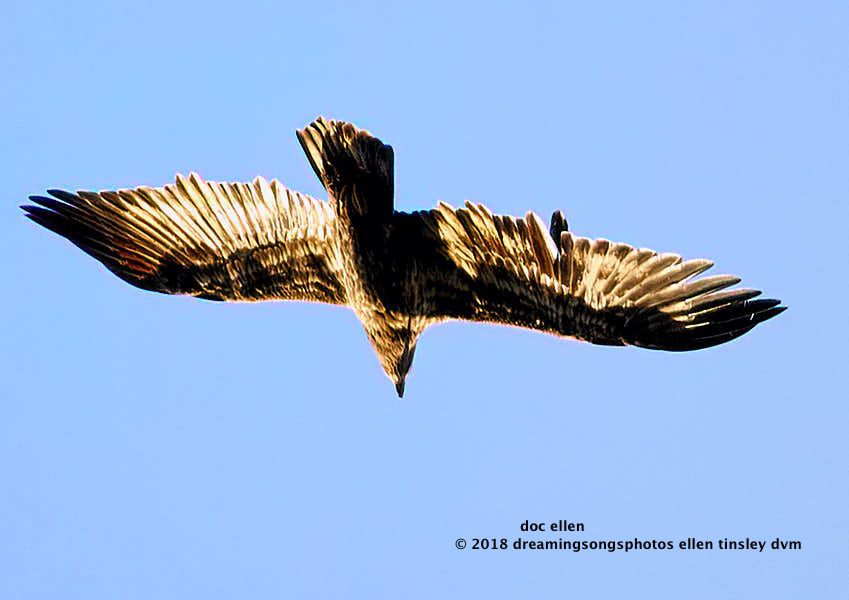
This one is a two-year-old bald eagle.
The last juvenile of my morning was this 3-year-old bald eagle watching for fish in the Haw River right at the dam.

Time for a Ramble in the Jordan Lake Neighborhood
 
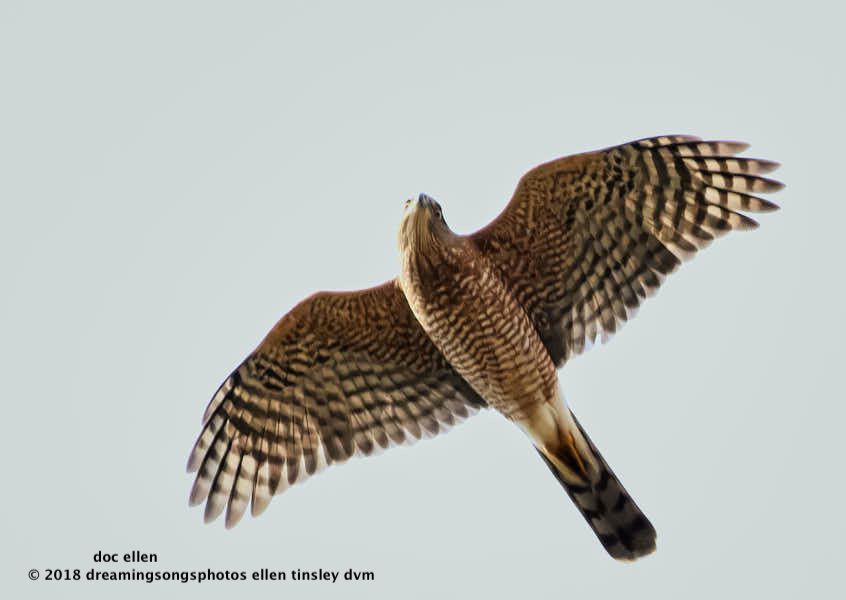
The Cooper’s hawk is small, swift and often takes medium-sized birds while in flight.


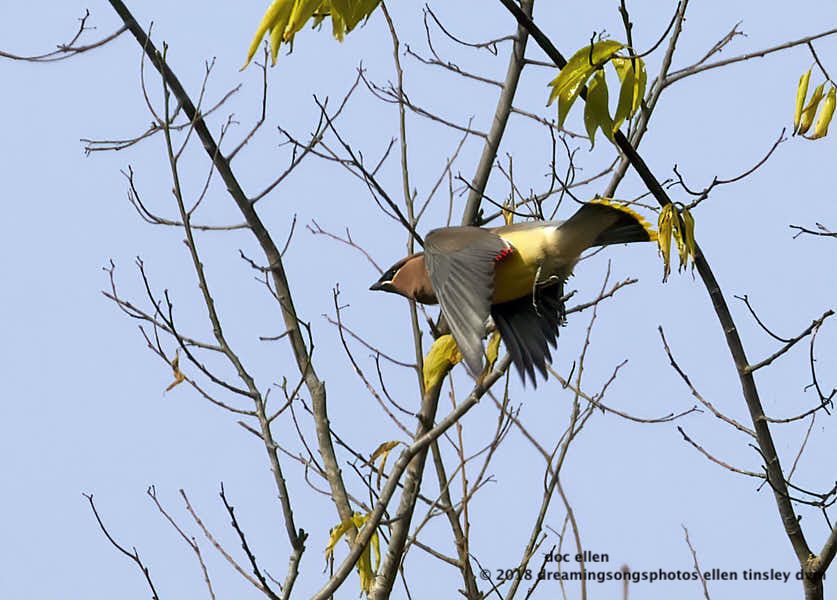
Cedar waxwings are winter visitors here.
They love cedar berries and you can see the red “wax” at the inside lower edge of this one’s wing.


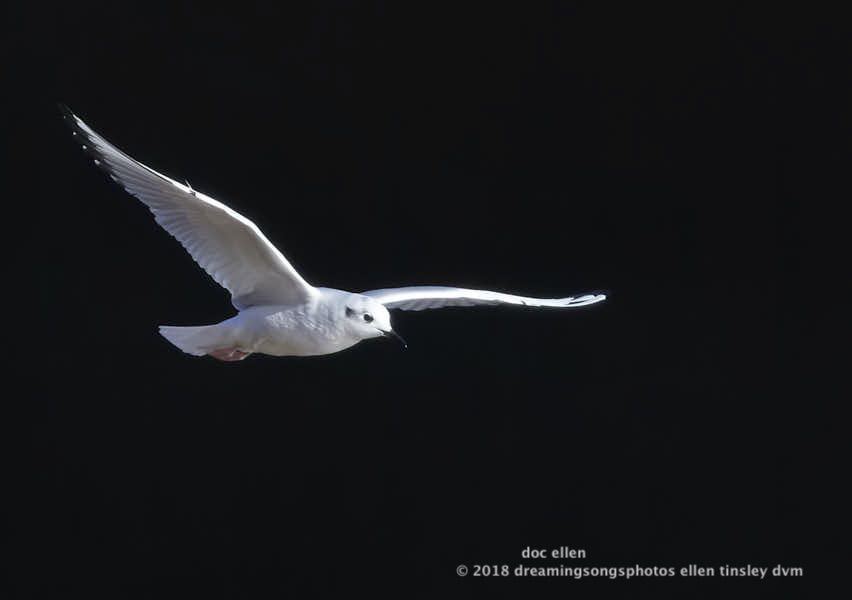
The first time I saw a Bonaparte gull I thought it was some species of tern.
These are dancers just above the water as they hunt for fish.


Immature great blue herons often look like they are feathered in a wash made from grey and pink pearls.