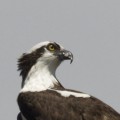
Jordan Lake. Over the last couple of days the Riley’s 13 year cicada chorus has mostly faded into history. Now the birds such as this northern mockingbird are snacking on what they can find in amongst the rocks, on the sidewalks and probably in your yards. This mockingbird certainly enjoyed his cicada snack.
cicada
TagMockingbird and Cicadas Songs
Jordan Lake. Do you need some bright cheerful song to brighten up the grayness of the day? This northern Mockingbird was very full of itself. Occasionally looked down to make sure that I was actually listening and watching it. By the way the constant hum underneath the mockingbird’s song is the chorus of the cicadas singing.
Cicada!
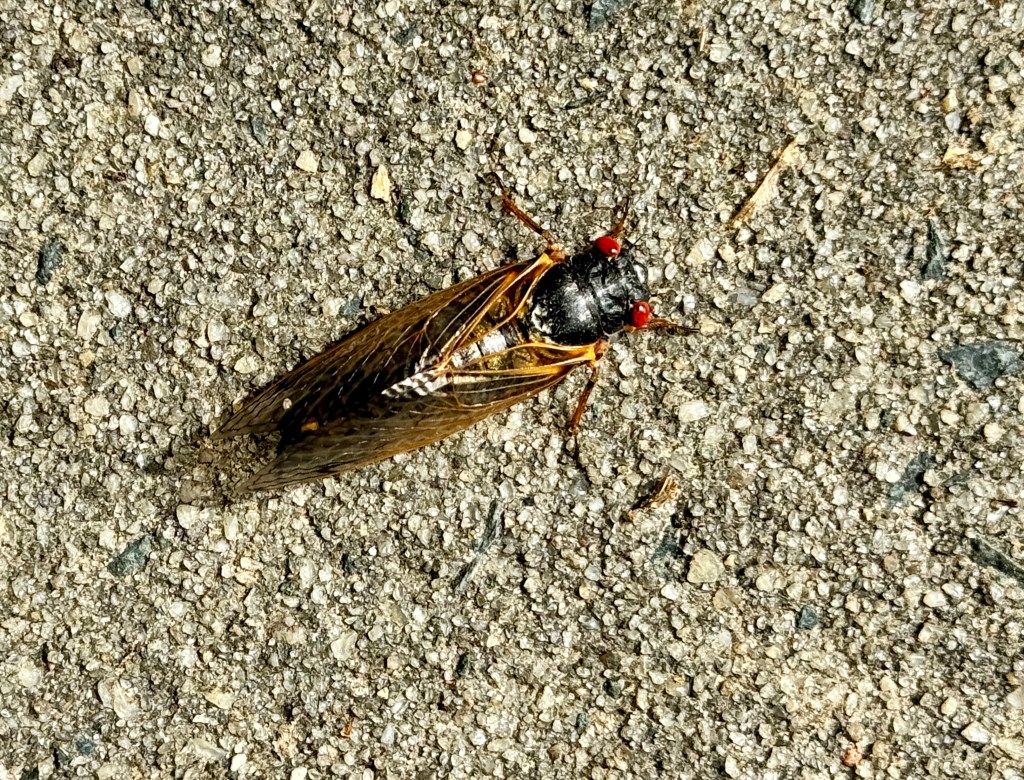
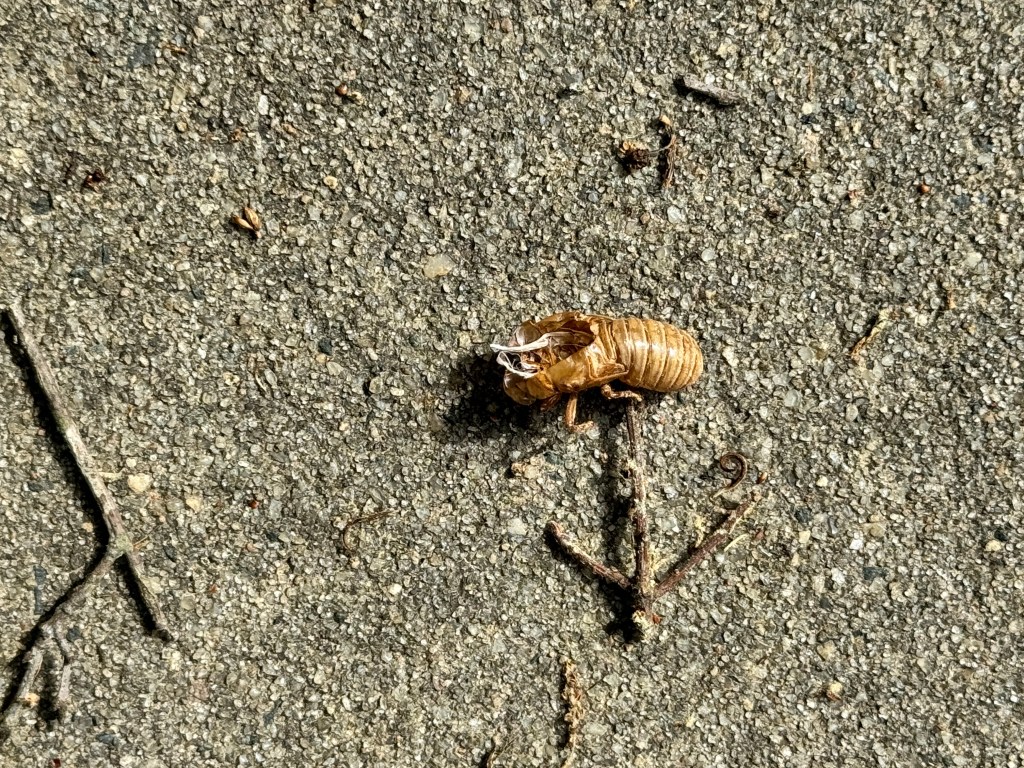
According to iNaturalist this is a Riley’s 13 year cicada; second photo is its discarded husk. It is my first cicada of any species for this year. There were more than a dozen in about a 12 foot area underneath an oak tree. Let the noise begin I reckon!
JL Neighborhood Roundup, part 1, 6 photos 8/10/2018
I always have so much of Jordan Lake that I want to share!
My emphasis for my media time is usually on the bird life – in particular the raptors.
But by no means do I miss opportunities to photograph the other lives at Jordan Lake.
So, this is part 1 for the current catchup: critters without feathers.
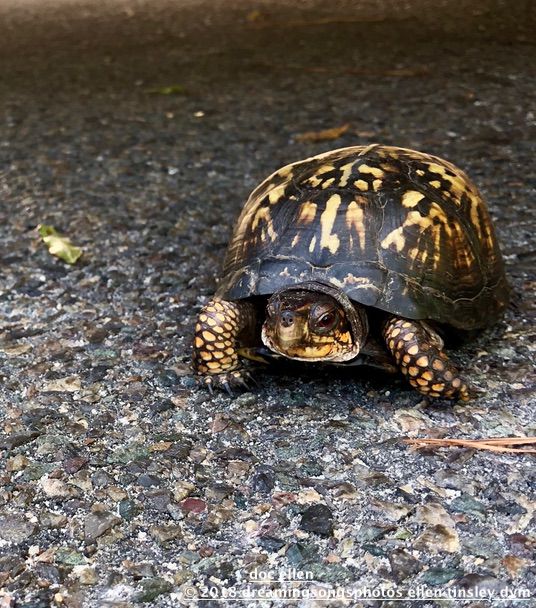
Meet the official North Carolina Reptile: the Eastern Box Turtle
This beautiful box turtle strolled out from under my truck as I was packing up to leave one morning.
I picked him up and carried him, in the same direction he was headed, to an area in the woods off the edge of the parking lot.
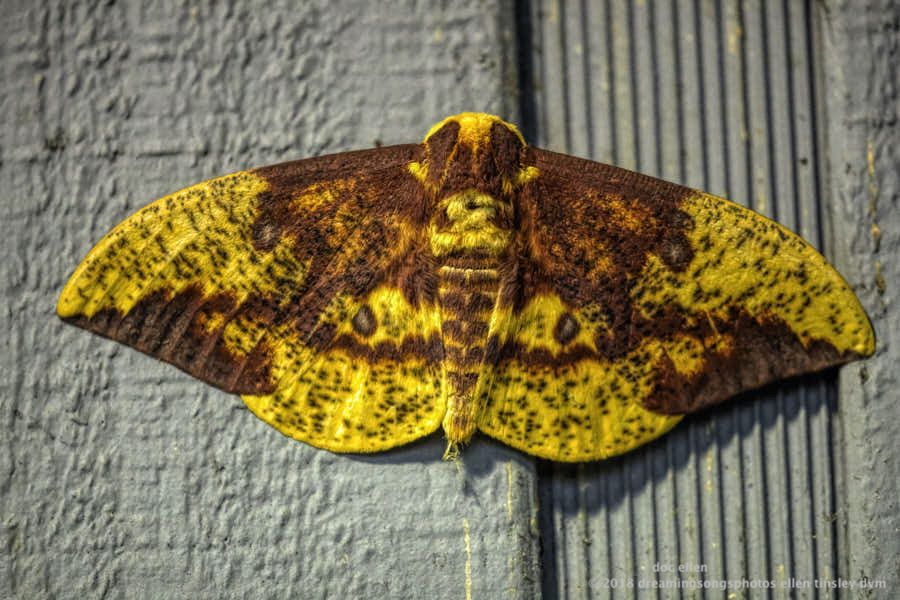
The Imperial Moth was well-named: this one was wider than my hand.
They get to be about 4” across in their wingspan.
The Sleepy Orange butterfly.
If the photo was of this butterfly with his wings out flat, you would see the “orange” of its name.

The Swamp Cicada.
This noise maker is an annual cicada: they appear every year. Some cicada species appear every 13 or 17 years.
I really like its brilliant green wing veins.

The Deep Yellow Euchlaena moth.
The angles in the wing structure and the curves in the color patterns make an interesting and pleasing contrast.

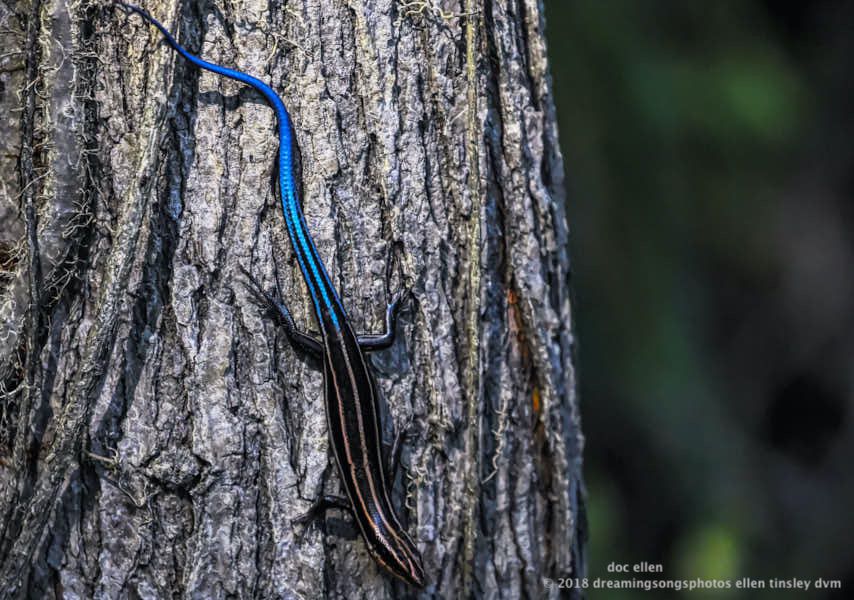
Skink tail bling!
Notice that I did not name the specie.
Without a clear photo of the side of the face of a skink, I have no way to know if this is a five-lined skink or an immature broad-headed skink.
 doc ellen's journey