The surgeon has released me back to the wild – albeit at a slow careful pace! I arrived shoreside and was able to record a tale in my Jordan Lake Myths. 🐢 It had been a very rough, very stormy night that lasted into the morning. The ancient timber lizard – not seen in a millennium – was actually tossed into the water! The pond turtle came to see if it could help the lizard. “Yes”, said the ancient timber lizard, “my eyes got bruised, and I can’t really see”. “Well”, said the turtle, “I will just climb up on your back and help give you directions.“ It was a slow paddle, given the damage to the timber lizard legs, and even its snout. Eventually, the ancient timber lizard reached land and as it slipped into the shoreline shrubs, it said “thank you dear turtle, thank you“.

Jordan Lake. I watched for over two hours as the northern mockingbird did its best to say no to the black racer snake. Neither animal was hurt but both were very frustrated. Yes black racers will get into birds’ nests. Yes black racers sometimes become a meal for hawks, bald eagles and other snakes. I always try to remember that nature is never cruel but she is harsh.

Jordan Lake is always full of surprises and contrasts.
It is home to both the largest and smallest raptors in the US.
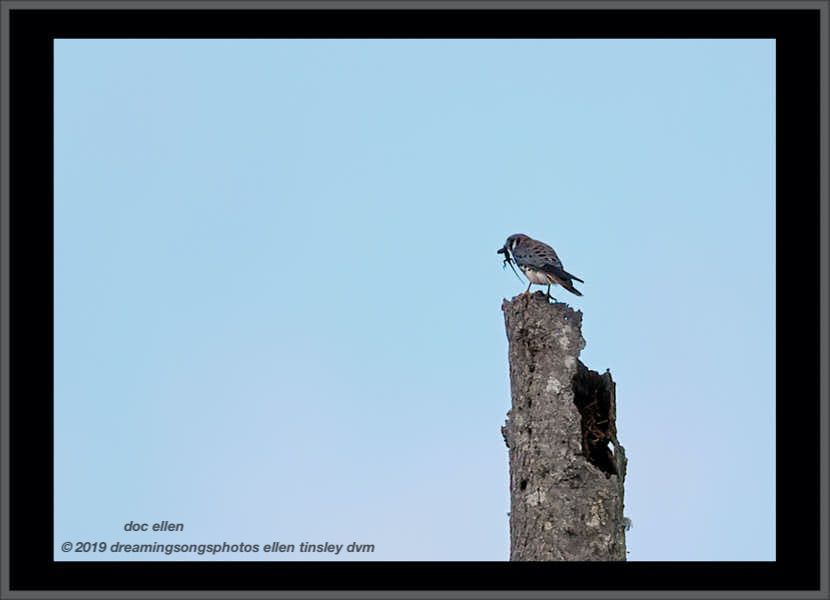
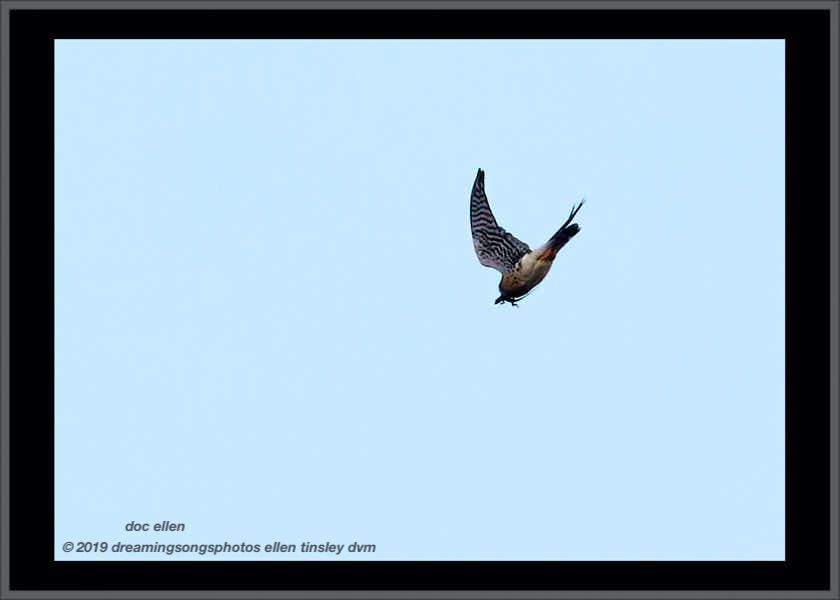
Both of the birds below were very proud of their catches this afternoon.
 
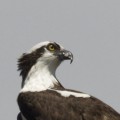
American Bald Eagle
 
length: 34-43 inches   weight: 168 oz   wingspan 72-96 inches
 
_ark4457 jl dam 24-01-19 18-12-08 2 eagle fish frame
American Kestrel (also the smallest falcon in the US)
 
length: 9-12 inches    weight: 3.9 oz   wingspan 20-24 inches
 
_ark4124 ranger cove 24-01-19 14-03-31 1 kestrel lizard_ark4127 ranger cove 24-01-19 14-03-46 1 kestrel lizard

I always have so much of Jordan Lake that I want to share!
My emphasis for my media time is usually on the bird life – in particular the raptors.
But by no means do I miss opportunities to photograph the other lives at Jordan Lake.
 
So, this is part 1 for the current catchup: critters without feathers.
 
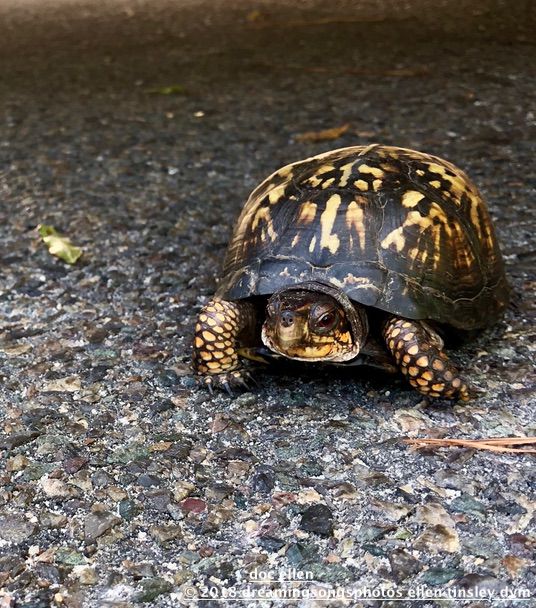
Meet the official North Carolina Reptile: the Eastern Box Turtle
This beautiful box turtle strolled out from under my truck as I was packing up to leave one morning.
I picked him up and carried him, in the same direction he was headed, to an area in the woods off the edge of the parking lot.
 
 
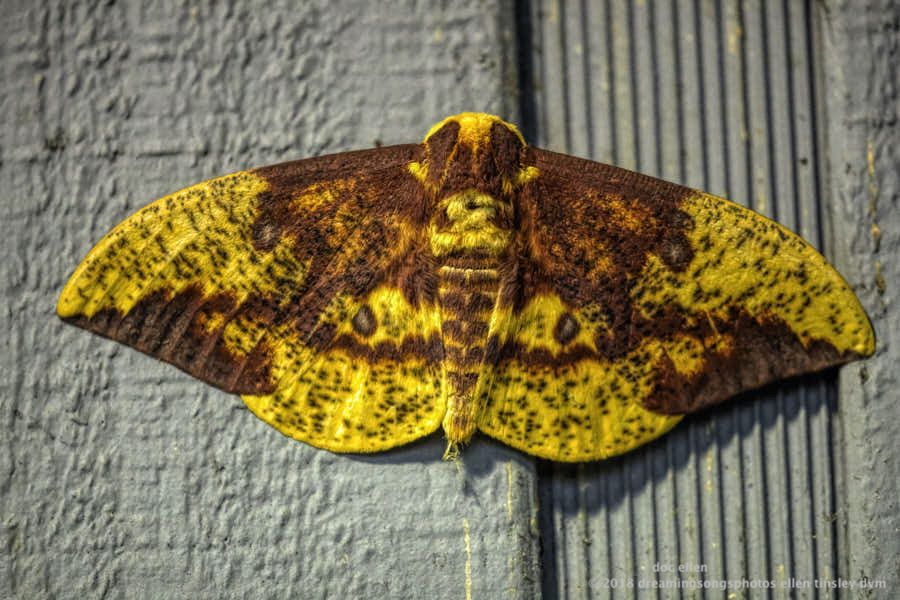
The Imperial Moth was well-named: this one was wider than my hand. 
 They get to be about 4” across in their wingspan.
 
 
The Sleepy Orange butterfly.
If the photo was of this butterfly with his wings out flat, you would see the “orange” of its name.
 
 
The Swamp Cicada.
This noise maker is an annual cicada: they appear every year.  Some cicada species appear every 13 or 17 years.
I really like its brilliant green wing veins.
 
 
The Deep Yellow Euchlaena moth.
The angles in the wing structure and the curves in the color patterns make an interesting and pleasing contrast.
 
 
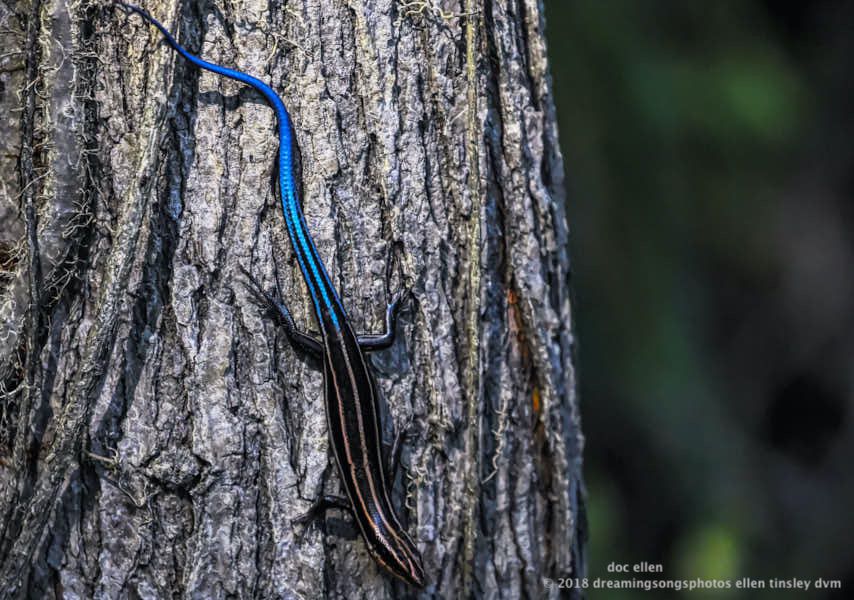
Skink tail bling!
Notice that I did not name the specie.
Without a clear photo of the side of the face of a skink, I have no way to know if this is a five-lined skink or an immature broad-headed skink.