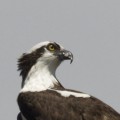
Jordan Lake. The following critters show up as brief clips from this morning: adult chipping sparrow feeding its fledgling, immature red-headed woodpecker, blue-gray gnatcatcher, American crow, American goldfinch, pennant dragonfly, great egret and an osprey. I hope you enjoy these little pieces of my morning!
photography
CategoryOsprey Sunrise
Jordan Lake. It is 23 minutes after sunrise. Mom Osprey has gone fishing and is returning to the nest area to feed her two fledglings. They’ve been out flying and trying to catch fish on their own but she is quite willing to help them along – especially first thing in the morning with a nutritious breakfast.

Soaking Wet
Jordan Lake. The overnight storms soaked everything. This tiny wee blue-gray gnatcatcher was wet down to the skin. It had to take time out before looking for breakfast to get all of its feahters straight and ready for flight.
If You Find an Injured Bald Eagle
WHAT YOU SHOULD DO IF YOU FIND AN INJURED BALD EAGLE. Please read and keep the information handy.
REMEMBER: bald eagles are very DANGEROUS to handle and human safety comes FIRST in a rescue attempt.BEFORE TRYING TO GET THE INJURED EAGLE IN HAND FOLLOW THE STEPS BELOW!!!
1) call the US Fish and Wildlife Services, southeast division (404) 679-7070
2) call the NC Wildlife Resources Commission 1 (800) 662-7137
3) reach out to the people who are Federally licensed to care for bald eagles:
Carolina Raptor Center (704) 875-6521, website https://carolinaraptorcenter.org
Wild at Heart Wildlife Sanctuary (910) 430-0794, website https://wildatheartsanctuary.org
Cape Fear Raptor Center (910) 687-6888 http://www.capefearraptorcenter.org
Joni Shimp, DVM, Rocky Point Animal Hospital, (910) 602-6633 http://www.rockypointvet.com
4) if you have not been able to reach anyone above or need additional info text me, Doc Ellen at (919) 801-2702
My thanks once again to Jim Stafford, Keith Megginson, Barbara Driscoll and the Carolina Raptor Center for trying so hard to help the bald eagle last week!


Bald Eagle Rescue
BALD EAGLE RESCUE in Wake County and WHAT TO DO IF YOU FIND AN INJURED BALD EAGLE. First: my heartfelt thanks to Jim Stafford and his crew, Keith Megginson, Barbara Driscoll and the Carolina Raptor Center. A week ago I got a call from Jim Stafford of Gaines and Company Inc. of Knightdale. He was trying hard to get information on how to rescue an injured bald eagle that he and his crew found the day before while working on a construction site. They called NC Wildlife Resources Commission, and left information asking for help with the bald eagle but regretfully did not get a reply from them. Jim then reached out to the local wildlife rehab facilities – American Wildlife Refuge and CLAWS – and again got no responses. Jim was bewildered and upset as he wanted to help the eagle. By Thursday afternoon, as the eagle was visibly losing the fight to stay alive, his friend Barbara Driscoll had suggested that he call me. After much discussion and a lot of phone calls back-and-forth we got it arranged for Keith Megginson, (a monitor for the breeding bald eagles program for the US Army Corps of Engineers at Jordan Lake) to help with the actual capture of the bald eagle. I talked through the capture process with Keith and Jim. Keith gathered up the equipment needed and went to the site to help safely capture the bald eagle and get it ready for transport. Jim dropped everything in his busy schedule to transport the eagle from the capture site in Wake County to the Carolina Raptor Center in Huntersville. There were many hours spent by Jim and Keith with their only concern being the attempt to help the eagle. Regretfully, after the veterinarian at the Carolina Raptor Center examined the eagle it had to be euthanized. All of us involved wondered what might have been the outcome if knowledgeable help had been available the day the eagle was found. Tomorrow I will post WHAT YOU SHOULD DO IF YOU FIND AN INJURED BALD EAGLE. Please read and keep the information handy.


Green Herons & Scary Fish Crow
Jordan Lake. Green herons, when they are frightened, resort to making themselves look like a reed by standing up very tall and straight and the feathers down their neck make them blend right in on a shoreline. However, that trick does not work when you are up in a tree and a fish crow has decided you are too close to his territory. Watch the herons try the trick anyway.
