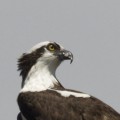
Jordan Lake. This is the Jordan Dam tailrace this morning. The Army Corps of Engineers opened the dam gates and are letting the Haw River head on down stream. About 3 miles down stream the Haw River comes together with the Deep River and they then together become the Cape Fear River. It appears that it will be at least the end of next week or longer before boat ramps, fishing areas, camping sites, those kind of places around the lake will be open. It takes a while to move that much water out of the lake and down to the ocean.
Jordan Lake State Park
CategoryClassy … not quite yet
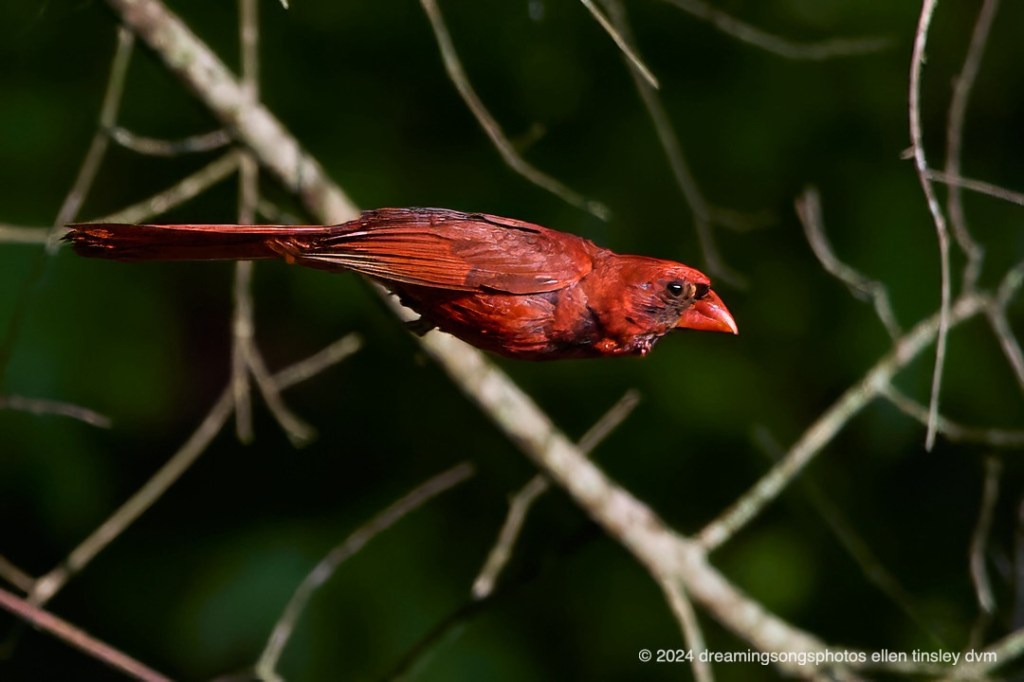
The male northern cardinal tries hard to look quite classy at all times. However, as you can see here, he is very disheveled. Molt, the normal replacement of feathers, in cardinals occurs in late summer. His only way foreword is to preen and wait for the new feathers to appear. Soon he will again be crimson elegant, beak to tail.

Details Count
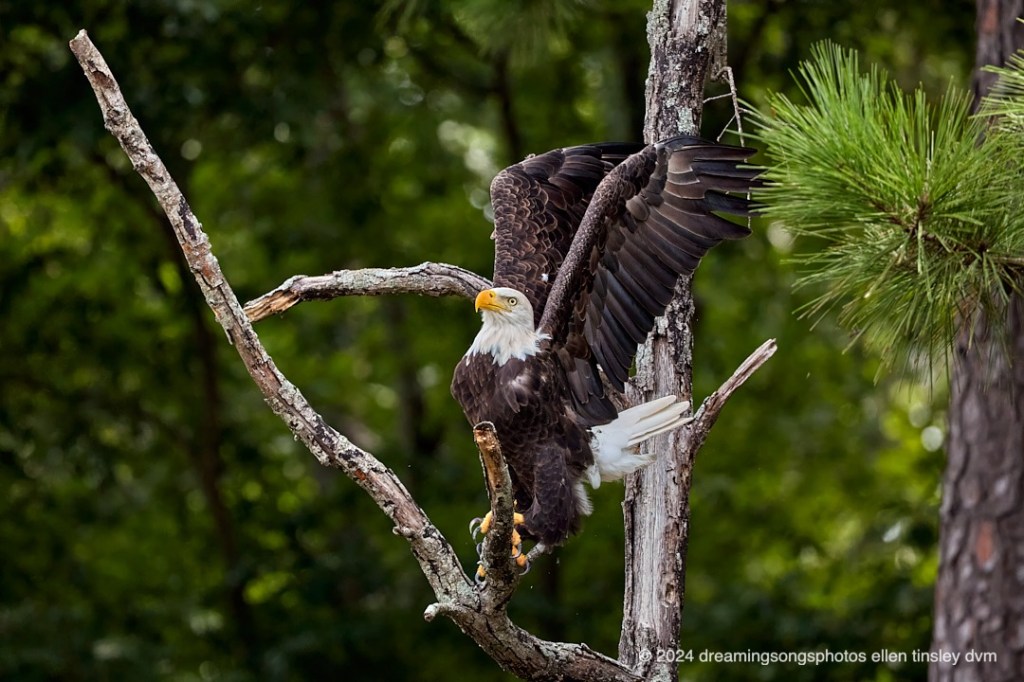
Jordan Lake. It is often said the devil is in the details. In this case the details are in the bald eagle. I often tell people if you can’t see a bald eagle: look for bright yellow feet or maybe all you will get is a glimpse of a bright yellow beak. Captain Doug and I came across this eagle last week and he sure put on a beautifully detailed launch.


Jordan Lake Closure
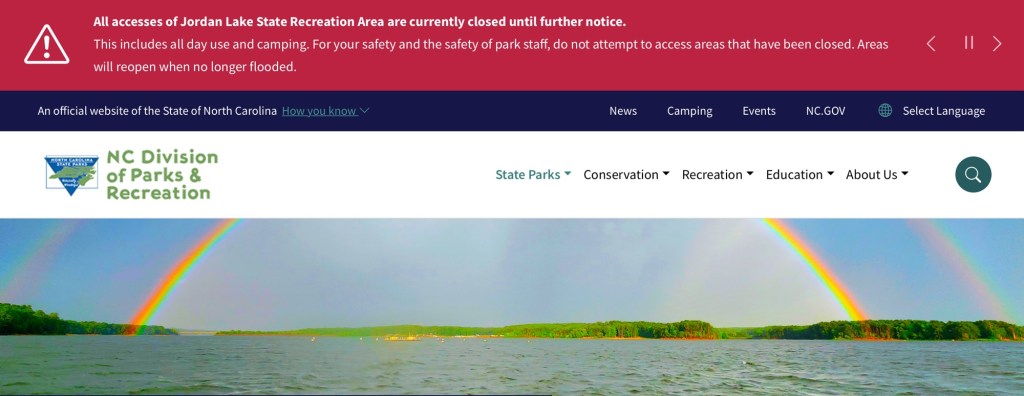
Please be very careful and patient. It will be a while before the water levels come back down at Jordan Lake. You can check on their website for when they reopen. I’ll try to also make a notice here when it does. All of you stay safe.
One Day Flash Sale
🌩️ Rolling into Wednesday with a surprise ONE-DAY flash sale! Take 25% off all artwork today only.
If you’ve had your eye on something, my online gallery is stocked and ready. Get it now before these virtual clouds part again! ☀️
⚡CODE: STORM
https://www.docellensnaturephotography.com
Featured:
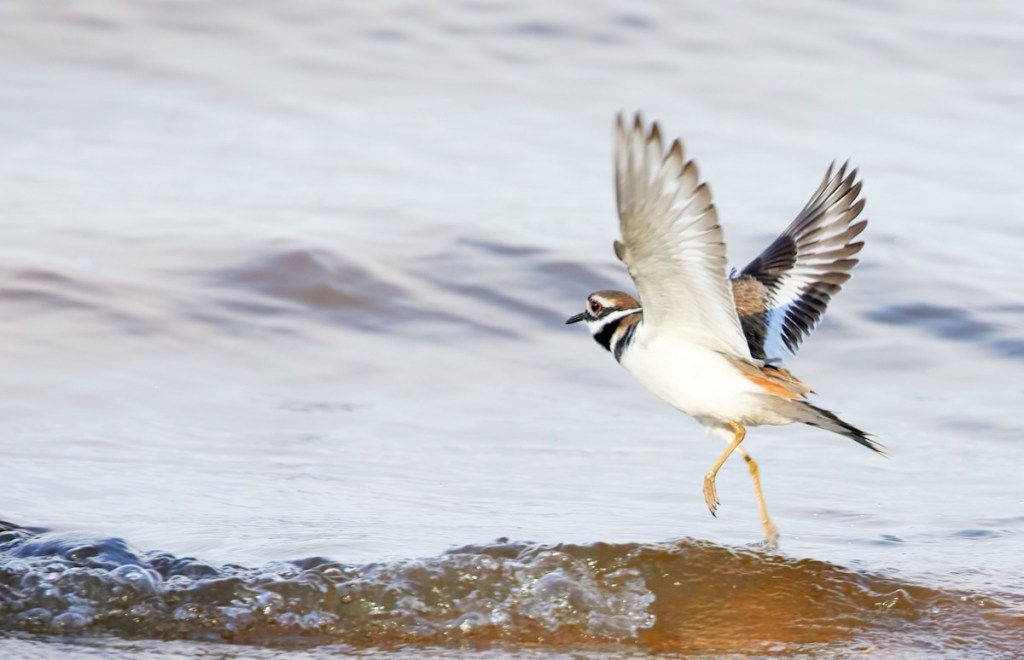
“Killdeer Launch”
I usually hear a killdeer before I catch sight of it. Their sharp kill-dee, kill-dee is quiet distinctive.
Bedazzled
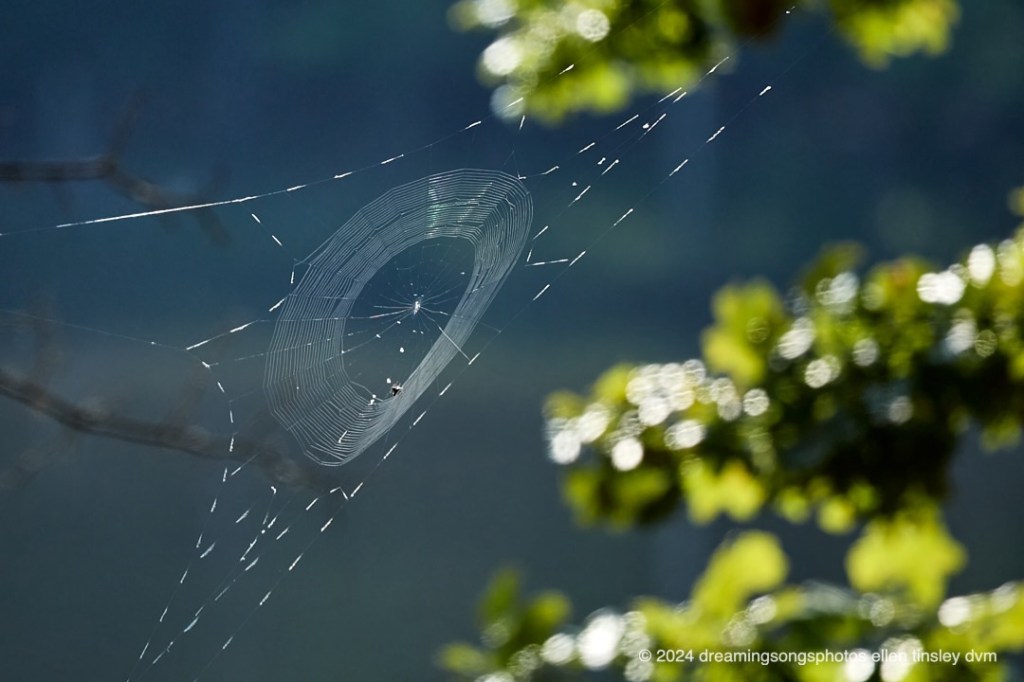
Jordan Lake. I had never seen a spider web which had anchor lines that looked like they were perforated to tear the line apart. I sent my photo over to the NC Museum of Natural Sciences, Ask a Naturalist tab. The entomologist told me that the web was built by an orb weaver and, get this, those thickened areas along the anchor lines – those dashes are spider silk tufts placed there by the spider as bird flags! So that birds will see the web and not fly through and destroy it. Who would’ve thought! Nature bedazzles me again.
 doc ellen's journey