Jordan Lake. Listen to the story of how the young red-headed woodpecker learned how to locate acorns that his parents have stored. He also learns about holding cups that the adults have made to secure the acorn while they chisel it open to get to the tasty meal inside.
neighdoctor
AuthorGreat Egret MoonWalk
Jordan Lake. A great egret does a MoonWalk! How often do you see a bird walking backwards? I have seen the occasional crow step backwards a couple of steps. Woodpeckers certainly back down trees. I’ll confess I had never seen a great egret backing up. I don’t know what he was chasing… ended up looking like a chunk of bark.
Breakfast Nibbles
Jordan Lake. The hispid cotton rat gets up very early in the morning to have its breakfast. Reminds me very much of a person nibbling on an ear of corn. Watch how carefully the small critter decides just what bits are the very best bites to eat.
Osprey Mid-Air Shake
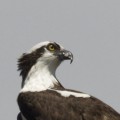
Jordan Lake. When an osprey dives into the water to catch a fish it also picks up a lot of water. Water is heavy at 8lbs/gallon. Ospreys weigh from 2-4.5lbs. To shed the excess weight the osprey does a shake: from the tip of its beak through its body and off its tail… just like a wet dog does. There are 3 video shake sequences and I hope you enjoy them all.
Swivel and Go!
Jordan Lake. The eastern wood-pewee is a medium sized flycatcher. And as is true of all flycatchers their heads are always in motion – swiveling all about looking for insects to dash after, catch and gobble up. Then repeat the dash and catch!
OH MY!
I wanted all of you to have a chance to see this marvelous video by Mark Smith Photography. It is a very common ritual between would be and permanent pairs of bald eagles but very seldom videoed and especially not in this wonderful quality. Please enjoy.
https://www.instagram.com/reel/Cs9Oy5vh9Te/?igshid=MzRlODBiNWFlZA==
 doc ellen's journey